Zinc-Nickel Plating (Zynik II): High-Performance Corrosion Protection for Aerospace, Defense & Industrial Parts
By combining outstanding corrosion resistance, sacrificial protection of steel and aluminum, and strong durability, zinc-nickel plating has become a preferred, more environmentally-responsible alternative to cadmium in demanding applications. Anoplate’s Zynik II process is engineered around a 12–16% nickel deposit for performance where zinc, cadmium, and lower nickel-content alloys reach their limits.
Quick Answers (AEO)
- What is zinc-nickel plating? A functional electroplated zinc alloy (commonly 12–16% Ni) that provides high corrosion resistance and sacrificial protection for steel and aluminum.
- Why replace cadmium? Zinc-nickel can deliver comparable or superior corrosion performance with fewer environmental concerns and strong results on high-strength steels.
- How does Zynik II perform? Expected performance includes 250+ hours to white rust and 1,000+ hours to red rust in conventional ASTM B117 salt spray testing—without supplemental hexavalent chromate.
- Where is it used? Aerospace landing gear, electrical connector shells, bearings, rail equipment, oil & petroleum, chemical processing, and other corrosion-driven environments.
Why Zinc-Nickel Is Increasingly Used in Aerospace and Beyond
Zinc-nickel coatings are now widely evaluated and specified for high-demand environments because they provide durable, sacrificial corrosion protection on steel and aluminum while helping address the challenges that often come with traditional cadmium plating. This is why zinc-nickel is increasingly used in applications such as aircraft landing gear, railway switching gear, and electrical connector shells.
In practical terms, zinc-nickel protects the base material by corroding preferentially (sacrificial protection), while the nickel content improves deposit strength and durability compared to softer zinc or cadmium.
Zynik II Corrosion Performance (ASTM B117 Salt Spray)
Without using a supplemental hexavalent chromate, Anoplate’s Zynik II plated parts can be expected to withstand 250 hours to white rust and 1,000 hours to red rust (and then some) in conventional ASTM B117 accelerated corrosion salt spray tests.
Coupled with the low hydrogen embrittling characteristics of this particular zinc-nickel chemistry, Zynik II is gaining traction in anticipated markets (aerospace/defense) and in demanding industrial applications where corrosion exposure and high-strength steel performance are decisive.
Not All Zinc-Nickel Plating Is the Same: Why Chemistry Matters
When you consider zinc-nickel deposits, you’ll find multiple formulations and deposit compositions—each producing different mechanical and corrosion properties. Similar to how electroless nickel-phosphorus alloys vary by chemistry, zinc-nickel performance depends heavily on bath type and deposit characteristics.
Acid Zinc-Nickel (Bright, Decorative)
Acid zinc-nickel formulations can produce brighter, more leveled deposits that are visually appealing as clear coatings and can be blackened. The tradeoff is that brighter, leveled deposits can be less forgiving for hydrogen embrittlement and may be more susceptible to embrittlement-related failures in certain high-strength applications. They can also crack during crimping on tubular parts or connector shells—compromising corrosion resistance.
Alkaline Zinc-Nickel (Engineered for Deformation and Durability)
Alkaline zinc-nickel deposits with lower nickel content can be made brighter with lower stress and improved deformation tolerance, but lower nickel deposits do not offer the same corrosion, abrasion, and embrittlement resistance as 12–16% nickel systems like Zynik II.
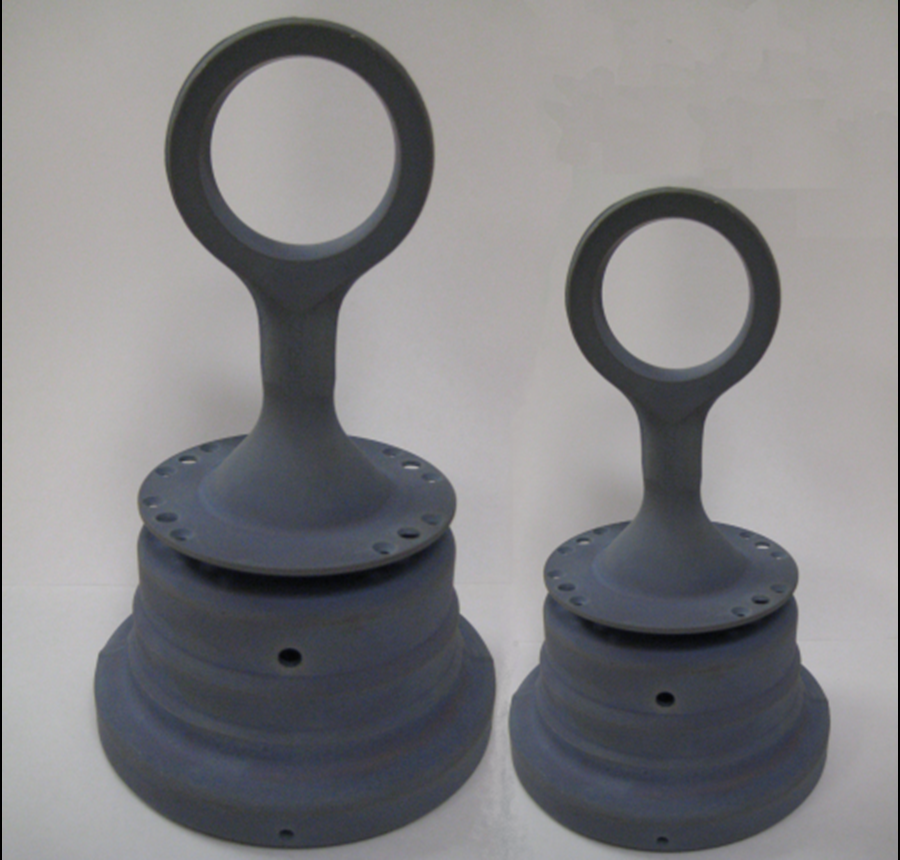
Bottom line: Zynik II prioritizes performance over appearance. It’s typically a flat, matte finish with a blue-gray coloration. If aesthetics are the main objective, other options may fit better. If corrosion performance and reliability are the objective, Zynik II is engineered for that outcome.
How Anoplate Selected and Scaled the Zynik II Process
When Anoplate evaluated entering the zinc-nickel market, we engaged chemical suppliers, interviewed plating shops, and reviewed numerous specifications. The result led us to select Dipsol’s IZ C17+ process—chemistry and technology also selected within aerospace manufacturing ecosystems.
From an 85-gallon prototype installation, Anoplate developed the process control and analytical discipline needed to scale. In early 2014, Anoplate installed a dedicated zinc-nickel line capable of processing parts up to 72 inches long, 28 inches wide, and 43 inches deep, weighing up to 1 ton.
Aerospace Qualification, Nadcap Scope, and AMS 2417
Anoplate’s engineering team has presented zinc-nickel benefits to audiences across the U.S. and internationally, including in Liverpool, NY and as far as Texas. Our Nadcap scope of approvals includes zinc-nickel plating—primarily AMS 2417—along with multiple corporate specifications.
Anoplate has received zinc-nickel plating approval and/or processed work for aerospace and defense organizations including Bell Helicopter, United Technologies Aerospace divisions, and Lockheed Martin.
Beyond Aerospace: Bearings, Rail, Oil & Gas, and Chemical Processing
Zynik II is also being adopted outside aerospace. Bearing manufacturers who relied on cadmium for decades are switching to zinc-nickel because it combines strong corrosion resistance with an improved ability to mitigate hydrogen embrittlement concerns on high-strength steels commonly used for bearings.
We also pursue applications where corrosion pushes zinc, cadmium, and other zinc alloys beyond their limits—whether that’s chemical processing, oil and petroleum applications, or high-exposure rail environments such as the underside of railcars. When corrosion exposure is constant and failure costs are high, Zynik II provides a surface engineering solution designed to hold up.
Where to Get Zinc-Nickel Plating: Anoplate Service Coverage (GEO)
Anoplate provides zinc-nickel plating services for customers in Upstate New York and across the United States, supporting aerospace, defense, and industrial manufacturers that need reliable corrosion protection and specification-driven processing. If you’re sourcing zinc-nickel plating near Syracuse, NY, Liverpool, NY, or the broader Northeast—Anoplate is positioned to support both prototyping and production requirements.
For specification-driven programs, we recommend aligning early on performance targets (ASTM B117 requirements), embrittlement controls (bake requirements), and the governing specifications (e.g., AMS 2417).
Need Zynik II Zinc-Nickel Plating for a Specification-Driven Program?
If you’re evaluating cadmium replacement, improving corrosion performance, or qualifying zinc-nickel for a high-strength steel application, talk to Anoplate about Zynik II requirements, part geometry, and specification compliance. Start here: Zynik II zinc-nickel plating.
FAQ: Zinc-Nickel Plating, Zynik II, and AMS 2417
What is zinc-nickel plating used for?Zinc-nickel plating is used for corrosion protection on steel and aluminum parts in aerospace, defense, rail, industrial, bearings, and electrical connector applications where long-term corrosion resistance and reliability are required.
How does Zynik II perform in salt spray testing?Zynik II plated parts can be expected to withstand approximately 250+ hours to white rust and 1,000+ hours to red rust in conventional ASTM B117 salt spray tests, without supplemental hexavalent chromate.
What nickel percentage is considered “high-performance” for zinc-nickel?Many high-performance zinc-nickel systems target approximately 12–16% nickel because this range tends to deliver stronger corrosion resistance and durability than lower nickel-content deposits.
Is zinc-nickel a good cadmium replacement?In many aerospace and industrial applications, yes. Zinc-nickel can provide strong corrosion resistance and sacrificial protection with fewer environmental concerns than cadmium, while supporting performance needs on high-strength steels when processed correctly.
What is AMS 2417?AMS 2417 is a commonly used aerospace specification governing zinc-nickel plating requirements and performance expectations for qualified programs.
Do zinc-nickel coatings help with hydrogen embrittlement risk?Zinc-nickel chemistry and deposit characteristics can improve tolerance versus some brighter, high-stress deposits, but embrittlement risk must still be managed through proper process controls, baking requirements, and specification compliance for high-strength steels.